Regular Cleaning: Why Consistent Cleaning Habits Matter for Every Space
Regular cleaning is one of the most practical ways to protect the comfort, appearance, and long-term value of any space. Whether you are caring for a home, office, rental property, retail environment, or shared facility, regular cleaning helps maintain hygiene, reduce clutter, and create a healthier atmosphere for everyone inside. It is not only about making a space look neat; it is also about building routines that support better living and working conditions.
Many people think of cleaning as a task that can wait until things start to look dirty, but that approach often creates more work later. Regular cleaning prevents dust buildup, limits grime, and keeps high-touch areas under control. This means less stress, fewer deep-cleaning emergencies, and a more welcoming environment on a daily basis. In busy households and commercial settings alike, consistent upkeep plays a major role in overall cleanliness.
In today’s fast-paced world, people need simple and effective ways to manage their spaces without feeling overwhelmed. That is where a structured cleaning routine makes a real difference. With a smart system, regular cleaning becomes easier to maintain, more efficient to perform, and more rewarding in the long run. From floors and windows to kitchens, bathrooms, and shared areas, a routine can transform a space from merely tidy to truly well cared for.
The Real Value of Regular Cleaning
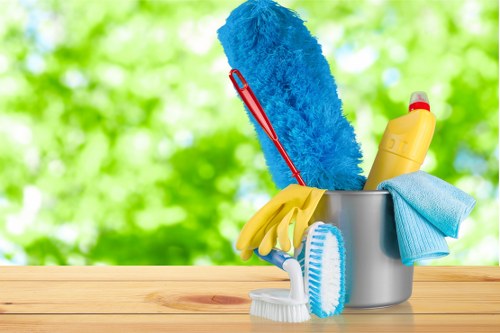
Regular cleaning is valuable because it supports both immediate comfort and long-term preservation. A clean environment feels more inviting, but it also reduces the chance of damage caused by neglect. Dust can scratch surfaces, moisture can create stains, and accumulated debris can affect the condition of furniture, fixtures, and flooring. By staying consistent, you protect your investment and avoid unnecessary repairs.
In homes, regular cleaning helps families enjoy better organization and less daily frustration. In workplaces, it can improve professionalism and create a more positive atmosphere for employees and visitors. Clean surroundings often encourage better focus, smoother routines, and greater confidence in the space itself. For this reason, regular cleaning services and self-managed cleaning schedules are both popular solutions for maintaining quality.
Another major benefit of regular cleaning is that it reduces the need for intense, time-consuming deep cleaning sessions. Instead of allowing dirt and mess to build up, small tasks are handled often, making each cleaning effort quicker and easier. This approach is especially helpful for people who want a cleaner environment without spending entire days catching up on neglected chores.
How Regular Cleaning Supports Health and Hygiene
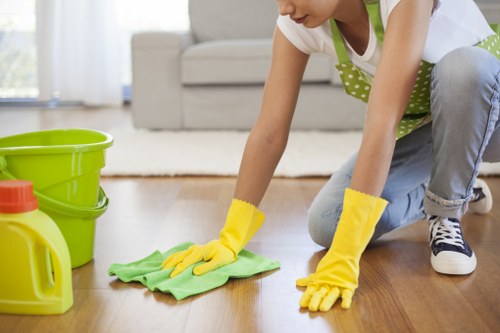
One of the strongest reasons to prioritize regular cleaning is health. Dust, allergens, bacteria, and mold can accumulate in overlooked areas, affecting indoor air quality and creating discomfort for people who live or work there. Frequent cleaning reduces these risks and helps maintain a healthier indoor environment. That is especially important for children, older adults, and individuals with allergies or respiratory concerns.
High-touch surfaces such as doorknobs, light switches, remote controls, counters, and bathroom fixtures need regular cleaning to limit the spread of germs. In shared environments, these surfaces can quickly become sources of contamination if they are not properly maintained. By disinfecting and wiping them often, you support a safer environment for everyone.
Bathrooms and kitchens require particular attention because moisture and food residue can make them more vulnerable to bacteria and unpleasant odors. Regular cleaning in these areas helps prevent buildup and keeps essential spaces sanitary. Clean sinks, counters, appliances, and toilets do more than look good; they create a healthier home or workplace overall.
Key Health Benefits of a Consistent Cleaning Routine
A steady cleaning routine offers many advantages, including:
- Reduced dust and allergens in the air
- Lower risk of bacteria spreading on surfaces
- Fewer odors caused by waste, spills, or moisture
- Improved overall indoor hygiene
- A more comfortable environment for sensitive individuals
These benefits show why regular cleaning should be seen as part of everyday maintenance rather than an occasional chore. It is a basic but highly effective way to support well-being.
In addition, a cleaner environment can help people feel calmer and more in control. When surfaces are clean and items are organized, the entire space tends to feel less chaotic. That psychological boost is often overlooked, but it is one of the reasons so many people make regular cleaning a priority.
Clean spaces also make it easier to notice early signs of maintenance issues. A spill, leak, stain, or crack is much easier to spot in a well-maintained area. Regular attention can therefore help prevent minor problems from becoming larger and more expensive ones.
Regular Cleaning for Homes: A Smarter Way to Stay Organized

In a home setting, regular cleaning does more than remove dirt. It helps create structure, comfort, and a sense of calm. Families often have busy schedules, which means mess can pile up quickly. A consistent approach allows everyone to enjoy a more pleasant home without needing to spend hours on major cleanup sessions.
Daily and weekly tasks are the foundation of effective regular cleaning at home. Simple actions such as wiping kitchen counters, sweeping floors, taking out trash, and tidying common areas keep the house presentable and manageable. When these small tasks are completed regularly, the home stays easier to maintain.
Bedrooms, living rooms, bathrooms, and kitchens each benefit from tailored routines. For example, vacuuming carpets, laundering linens, cleaning mirrors, and disinfecting sinks can be scheduled throughout the week. This kind of system keeps the workload balanced and helps prevent the buildup that leads to overwhelming messes.
Practical Home Cleaning Priorities
Homeowners and renters can benefit from focusing on the following priorities:
- Kitchen surfaces and appliances
- Bathroom sinks, toilets, and showers
- Floors, rugs, and high-traffic entry areas
- Dusting shelves, furniture, and décor
- Laundry, linens, and bedding
When these tasks are done regularly, the home feels more orderly and easier to live in. That is the true strength of regular cleaning: it helps people stay ahead of the mess instead of constantly reacting to it.
Regular Cleaning in Offices and Commercial Spaces
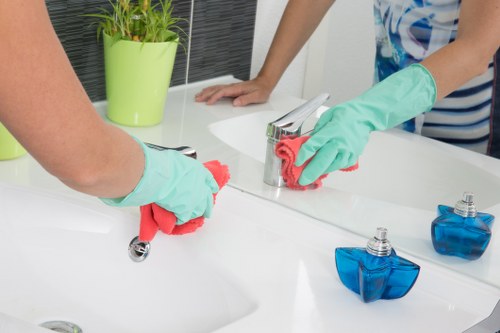
Commercial environments depend heavily on appearance, hygiene, and organization. Regular cleaning in offices, shops, clinics, and other business spaces supports professionalism and helps create a positive impression. Clients, employees, and visitors tend to notice cleanliness immediately, which means upkeep can influence how a business is perceived.
Office cleaning routines often include dusting desks, sanitizing shared surfaces, cleaning restrooms, vacuuming floors, and emptying bins. These tasks help maintain a healthier workplace while also improving comfort and productivity. A clean office can reduce distractions and make employees feel more valued in their environment.
Retail and customer-facing spaces benefit from regular cleaning as well because presentation affects trust. Smudged glass, dirty floors, and dusty shelving can leave the wrong impression, even if the business offers excellent products or services. Consistent cleaning helps ensure that the physical space matches the quality of the brand.
Why Commercial Cleaning Schedules Matter
A structured schedule can help businesses stay on top of:
- Customer-facing appearance
- Employee comfort and morale
- Safety in walkways and entryways
- Sanitary restrooms and break areas
- Ongoing maintenance of fixtures and surfaces
Whether handled in-house or through professional support, regular cleaning is an operational necessity in many commercial settings. It is not only about appearance; it is also about maintaining a stable, healthy, and efficient workplace.
The Difference Between Regular Cleaning and Deep Cleaning
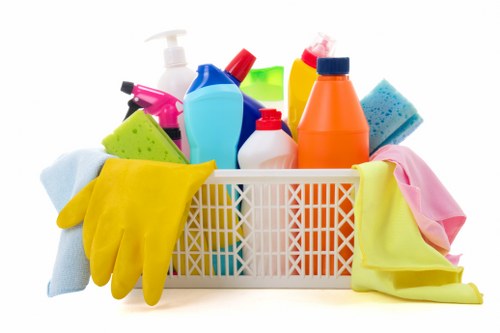
Although regular cleaning and deep cleaning are related, they serve different purposes. Regular cleaning focuses on ongoing maintenance tasks that keep a space neat and hygienic from day to day or week to week. Deep cleaning, on the other hand, targets hidden grime, neglected areas, and more intensive buildup that requires extra time and effort.
Regular cleaning includes tasks such as wiping surfaces, sweeping, mopping, vacuuming, and disinfecting high-touch points. Deep cleaning may involve scrubbing grout, washing baseboards, cleaning behind appliances, and addressing areas that are not included in a standard routine. Both matter, but regular cleaning makes deep cleaning less frequent and less demanding.
Think of regular cleaning as the foundation. It maintains order and prevents problems from growing. Deep cleaning becomes much easier when the basic upkeep has already been handled consistently. For most people, combining these approaches is the best way to keep a space in excellent condition.
How Often Should Regular Cleaning Happen?
The right frequency depends on the space, how it is used, and how many people occupy it. A busy family home may need more frequent attention than a quiet apartment, while an office with many employees may require daily care. Still, most spaces benefit from a routine that includes daily, weekly, and monthly cleaning tasks.
Daily regular cleaning often covers visible and high-use areas. Weekly tasks may include deeper dusting, bathroom cleaning, vacuuming, and bedding changes. Monthly tasks can involve more detailed maintenance such as appliance cleaning, organization checks, and less visible surfaces. This layered approach keeps the workload realistic and sustainable.
If a space receives heavy traffic, regular cleaning may need to happen more often. For example, kitchens, restrooms, entryways, and shared work areas usually require more frequent attention than guest rooms or storage areas. The goal is to stay consistent enough to prevent buildup while keeping the routine manageable.
- Daily: quick surface cleanup, trash removal, tidying, and sanitizing key areas
- Weekly: vacuuming, mopping, bathroom care, and dusting
- Monthly: appliance checks, organized storage, and detailed maintenance
When regular cleaning is scheduled realistically, it becomes much easier to sustain over time. That consistency is what delivers the real results.
Useful Tools and Supplies for Better Regular Cleaning
Having the right tools makes regular cleaning faster, safer, and more effective. Basic supplies do not need to be complicated, but they should be reliable and suitable for the surfaces you clean most often. A well-prepared cleaning kit reduces wasted time and helps you complete tasks more efficiently.
Common tools include microfiber cloths, a vacuum, a mop, a broom, disinfectant, sponges, scrub brushes, and trash bags. Depending on the space, you may also want glass cleaner, bathroom products, odor control solutions, and surface-safe wipes. These items support a smooth routine and make it easier to stay consistent.
Quality matters because good tools often last longer and produce better results. A microfiber cloth, for example, can trap dust more effectively than a basic rag. A dependable vacuum can make regular cleaning less tiring and more thorough. Over time, using the right materials can save both effort and money.
Helpful Supplies to Keep Nearby
- All-purpose cleaner
- Disinfecting wipes
- Microfiber dusting cloths
- Vacuum or handheld vacuum
- Mop and bucket
- Scrub brush and sponge set
- Trash liners and storage bags
Keeping these items accessible encourages consistency. When supplies are easy to reach, regular cleaning is more likely to happen without delay.
Creating a Simple Regular Cleaning Routine That Works
The best routine is one that matches your lifestyle and stays realistic. If a cleaning plan is too complicated, it becomes hard to maintain. A simple, repeatable structure is usually more effective than an ambitious plan that quickly falls apart. Start with essential tasks and build from there.
Many people find it helpful to divide tasks by room or by category. For example, you might focus on surfaces one day, floors another day, and bathrooms on a separate schedule. Others prefer a short daily checklist that covers a little bit of everything. Both methods can support regular cleaning as long as they are consistent.
It also helps to combine cleaning with existing routines. Wiping down the kitchen after meals, tidying for 10 minutes before bed, or vacuuming on a set day each week can make the habit feel natural. The easier the routine fits into daily life, the more likely it is to last.
Tips for Staying Consistent
- Keep the cleaning schedule simple
- Use reminders or checklists
- Break large tasks into smaller steps
- Focus on high-traffic areas first
- Reward consistency by enjoying the finished space
When regular cleaning becomes part of the rhythm of life, the results tend to be long-lasting. You save time, reduce stress, and maintain a better environment with less effort overall.
Why Professional Support Can Be Helpful
Some spaces benefit from professional assistance, especially when schedules are tight or cleaning demands are high. Professional teams can help maintain regular cleaning standards in homes, offices, and commercial properties. They bring experience, efficiency, and the right equipment to handle routine tasks with consistency.
Professional support can be especially useful for larger spaces, specialized surfaces, or environments with strict sanitation requirements. In such cases, a trained team may be able to complete tasks more thoroughly and save valuable time. This allows property owners and managers to focus on other priorities while still keeping the space clean.
Even if you manage most tasks yourself, occasional professional help can complement your efforts. It can support deep cleaning, seasonal refreshes, or challenging areas that require extra attention. In many cases, combining personal upkeep with professional service creates the best overall results.
If you are ready to improve your environment, book your service now or contact us today to take the next step toward easier maintenance and a cleaner space.
Long-Term Benefits of Regular Cleaning
The long-term rewards of regular cleaning go far beyond appearance. Consistent upkeep helps protect surfaces, improve comfort, support health, and reduce stress. It can also make spaces more functional and more enjoyable to use every day. Over time, these benefits add up in meaningful ways.
One of the biggest advantages is preservation. Floors, furniture, appliances, and fixtures last longer when they are maintained properly. Regular cleaning removes materials that can cause wear, helping your space stay in better condition for years. That can reduce replacement costs and lower the need for repairs.
Another long-term benefit is peace of mind. A space that is regularly cared for feels more stable and easier to manage. Instead of constantly dealing with clutter or dirt, you have a system that keeps things under control. That sense of order can improve your daily routine and make your environment more enjoyable.
Regular cleaning also supports better habits overall. When a space stays neat, people are often more mindful about how they use it. They are more likely to put items back in place, clean up spills quickly, and respect the environment. This creates a positive cycle that reinforces ongoing cleanliness.
Final Thoughts on Regular Cleaning
Regular cleaning is one of the simplest and most effective ways to improve any space. It supports hygiene, boosts comfort, reduces clutter, and protects the condition of your home or business. With a practical routine and the right tools, regular cleaning becomes manageable and rewarding rather than stressful.
Whether you are caring for a small household or a busy commercial property, consistency matters. Start with the basics, stay organized, and focus on the areas that matter most. If you need extra support, contact us today and book your service now to keep your space looking and feeling its best.