Office Cleaning in Modern Workspaces: Creating Healthier, Safer, and More Productive Environments
Office cleaning is no longer just about making a workplace look tidy. In today’s business environment, it plays a central role in employee well-being, brand image, compliance, and daily productivity. Whether you manage a small startup, a corporate headquarters, a co-working hub, or a multi-floor commercial space, office cleaning directly affects how people feel when they walk in, how efficiently they work, and how customers perceive your business.
Clean offices support healthier teams, reduce the spread of germs, improve focus, and create a polished impression that reflects professionalism. For businesses competing in busy markets, consistent office cleaning services can also help protect assets, preserve furniture and flooring, and reduce long-term maintenance costs. The best approach is not simply reacting to visible mess, but building a reliable office cleaning routine that keeps every area in excellent condition.
In this article, we’ll explore what high-quality office cleaning involves, why it matters, which tasks should be prioritized, and how to choose the right cleaning plan for your workplace. You’ll also find practical tips for improving hygiene, supporting sustainability, and making your office cleaning strategy more effective over time.
Why Office Cleaning Matters More Than Ever
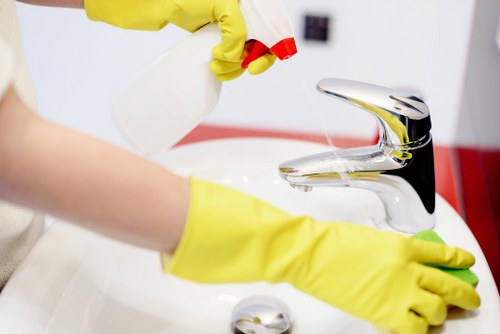
Modern workplaces are busy, shared environments. People move between desks, meeting rooms, kitchens, restrooms, elevators, and reception areas all day long. That constant traffic makes office cleaning essential for maintaining a safe and comfortable space. Even when a workplace looks clean at first glance, dust, bacteria, fingerprints, and hidden clutter can quickly build up.
Regular office cleaning helps reduce allergens, limit dust accumulation, and minimize the risk of illness spreading among employees. When surfaces are disinfected properly, shared touchpoints such as door handles, light switches, keyboards, and breakroom counters remain safer for everyone. In environments where people spend long hours, this can make a major difference in absenteeism and morale.
There is also a strong connection between cleanliness and performance. Studies and workplace observations consistently show that organized, sanitary offices tend to improve concentration and lower stress. Employees are more likely to feel valued in a space that is cared for, and clients are more likely to trust a company that presents itself well. For that reason, office cleaning is both a health measure and a business strategy.
What Professional Office Cleaning Typically Includes
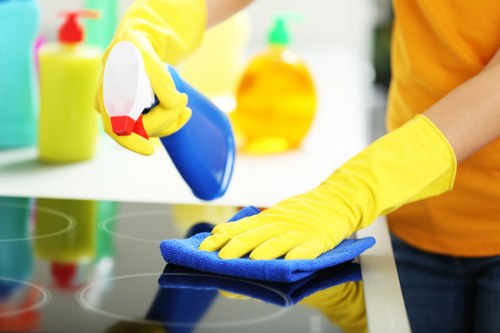
A well-structured office cleaning program goes far beyond emptying trash bins and vacuuming carpets. It usually includes a broad range of tasks tailored to the size, layout, and usage level of the workplace. A strong plan will cover daily maintenance, periodic deep cleaning, and special attention to high-traffic areas.
Typical office cleaning tasks often include:
- Dusting desks, shelves, vents, and baseboards
- Vacuuming carpets and rugs
- Sweeping and mopping hard floors
- Sanitizing restrooms and replenishing supplies
- Cleaning breakrooms, sinks, and appliances
- Wiping down reception counters and meeting tables
- Disinfecting high-touch surfaces throughout the office
- Removing trash and recycling
- Cleaning glass, mirrors, and interior windows
Office cleaning services may also include specialty work such as floor polishing, upholstery cleaning, deep carpet extraction, and post-construction cleanup. The best service plans are flexible enough to match your business’s unique needs without interrupting daily operations.
Daily Office Cleaning Tasks That Make a Big Difference

Some cleaning tasks need to happen every day because they directly affect hygiene, appearance, and employee comfort. These are the tasks that keep a workplace from slipping into disorder and help maintain a professional environment between deeper cleanings. Daily office cleaning is especially important in high-traffic offices, shared workstations, and client-facing areas.
Common daily tasks include surface cleaning, waste removal, and restroom sanitation. Workstations should be wiped down, especially in shared desk setups. Entryways and reception areas should be kept spotless because they shape first impressions. Breakrooms should also be cleaned daily to prevent odors, spills, and food residue from becoming a problem.
It’s useful to think of daily office cleaning as a maintenance layer that protects everything else. If dust, crumbs, and fingerprints are removed each day, larger problems are less likely to develop. This approach also helps cleaning teams work more efficiently because buildup is easier to manage when tackled early.
Deep Office Cleaning for Long-Term Hygiene
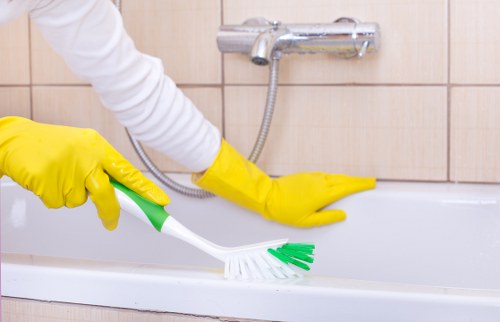
Even the best daily cleaning schedule cannot replace occasional deep office cleaning. Over time, dust accumulates in overlooked places, carpet fibers trap debris, and grime builds up in corners, behind furniture, and around fixtures. Deep cleaning reaches these hidden areas and restores a higher standard of cleanliness throughout the workspace.
Deep office cleaning may involve carpet shampooing, machine scrubbing hard floors, disinfecting upholstery, cleaning air vents, washing interior glass, and thoroughly sanitizing kitchens and restrooms. In many offices, it is also the right time to clean storage spaces, file rooms, and less-used corners that can collect dust unnoticed.
Office cleaning that includes deep-cleaning intervals offers more than visual improvement. It can extend the life of floors, furniture, and fixtures by removing corrosive dirt and residue before it causes damage. It also creates a fresher atmosphere, which can be especially helpful after renovations, seasonal changes, or periods of heavy foot traffic.
How Office Cleaning Supports Health and Safety
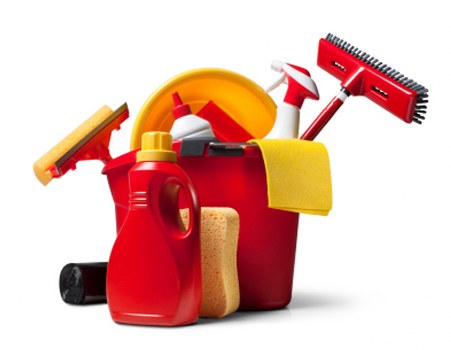
Clean workplaces are safer workplaces. One of the most important benefits of office cleaning is the reduction of germs and contaminants that can spread illness. Shared desks, phones, conference tables, pantry counters, and restroom surfaces are all potential hotspots if they are not cleaned regularly and thoroughly.
Health-conscious office cleaning practices help reduce the spread of viruses and bacteria, especially in cold and flu season or during periods of higher public health concern. This does not mean every surface needs constant disinfection, but it does mean using the right products on the right surfaces at the right frequency. A professional cleaning routine balances cleanliness with practical use.
Safety is also tied to clutter control. Boxes in hallways, spills on floors, overflowing trash bins, and blocked walkways can create trip hazards and compliance issues. A strong office cleaning routine helps maintain clear paths, proper waste disposal, and a safer environment for both employees and visitors.
Choosing the Right Office Cleaning Schedule
There is no single office cleaning schedule that works for every business. The right plan depends on staff size, office layout, foot traffic, industry standards, and whether the space is used by clients or visitors. A small office with a handful of employees may need a different schedule than a busy corporate site with multiple restrooms, meeting rooms, and kitchens.
A common approach is to divide office cleaning into three levels:
- Daily cleaning for trash removal, restroom care, and high-touch surface disinfection
- Weekly cleaning for dusting, vacuuming, mopping, and shared area upkeep
- Monthly or quarterly deep cleaning for carpets, upholstery, and harder-to-reach areas
When building a schedule, think about peak usage times. For example, meeting rooms used heavily throughout the week may need more frequent attention than storage rooms. Likewise, businesses with kitchens, clinics, or customer-facing lobbies often need more intensive office cleaning than private administrative offices.
Factors That Influence Frequency
Several factors affect how often your office cleaning should take place. These include number of employees, type of flooring, presence of food preparation areas, shared equipment, and local seasonal conditions. Offices in dusty environments or urban centers may require extra attention because exterior dirt enters more easily.
Office cleaning services can help assess these factors and design a plan that balances cost and cleanliness. The goal is not to clean excessively, but to clean strategically. A well-designed schedule prevents waste and focuses effort where it matters most.
High-Touch Surfaces Deserve Special Attention
One of the smartest priorities in modern office cleaning is focusing on high-touch surfaces. These are the places people interact with throughout the day and where germs are most likely to spread. Examples include door handles, elevator buttons, copier panels, light switches, railings, keyboards, phones, and shared kitchen appliances.
By concentrating on high-touch areas, cleaning teams can create a meaningful health benefit with efficient use of time. This is one reason office cleaning is often more effective when it is built around traffic patterns rather than just room-by-room routines. High-touch surfaces should be wiped and disinfected frequently, especially in common areas.
Businesses can also support these efforts with small operational habits. For instance, providing disinfecting wipes near workstations, encouraging employees to keep desks uncluttered, and setting expectations for shared spaces can all reinforce professional office cleaning efforts without adding complexity.
Office Cleaning and First Impressions
For visitors, a clean office sends a message before a conversation even begins. Reception areas, hallways, and conference rooms are part of your brand experience. If they are tidy, fresh, and well maintained, your business feels organized and dependable. If they appear dusty or neglected, it can undermine trust quickly.
This is especially important for client-facing industries such as law firms, finance offices, real estate agencies, medical practices, and consulting firms. In these settings, office cleaning is part of reputation management. Every polished surface and well-kept floor helps reinforce the idea that the company is attentive and detail-oriented.
Even internal teams benefit from a professional atmosphere. A clean office often improves pride in the workplace, which can influence how employees treat shared spaces. In that sense, office cleaning helps create a positive cycle: better maintenance encourages better behavior, and better behavior supports cleaner conditions.
Reception and Meeting Areas
Reception desks, seating, conference tables, and glass surfaces should receive special attention because they represent the face of the business. Dusty furniture or smudged glass can weaken an otherwise strong brand image. Professional office cleaning keeps these spaces polished and ready for use at any time.
Office cleaning in meeting spaces should also include chair arms, remote controls, shared screens, and tables. These areas are often used by multiple people in a single day, so they need both visible cleanliness and hygienic care.
Eco-Friendly Office Cleaning Practices
Many businesses are looking for greener ways to manage workplace hygiene, and office cleaning can absolutely support sustainability goals. Eco-friendly cleaning products, microfiber cloths, low-water floor care methods, and efficient waste separation all help reduce environmental impact while keeping the workplace clean.
Green office cleaning is not about lowering standards. It is about using smarter products and processes that are effective without unnecessary harsh chemicals or waste. For many organizations, this approach also aligns with employee expectations and corporate responsibility efforts.
Examples of sustainable office cleaning practices include:
- Choosing biodegradable or low-VOC cleaning products
- Using reusable microfiber tools instead of disposable materials where appropriate
- Implementing recycling and waste sorting systems
- Reducing excess paper use in shared spaces
- Scheduling cleaning efficiently to limit energy and water waste
Businesses that emphasize sustainability often find that eco-conscious office cleaning supports both their environmental goals and their employer brand.
Office Cleaning for Different Types of Workplaces
Not all workplaces have the same needs. A law office, for example, may need immaculate presentation and quiet cleaning procedures. A tech company might prioritize shared desks, glass partitions, and collaborative spaces. A healthcare-adjacent office may need stricter sanitation practices. Office cleaning should be adapted to the function and culture of the workplace.
In open-plan offices, cleaning teams often need to pay closer attention to shared desks, screens, and communal areas. In smaller offices, the focus may be on efficiency and consistency. Warehouses with office sections may require a mix of administrative cleaning and industrial dust management. Whatever the setting, the best office cleaning strategy begins with understanding the environment.
Industry-specific needs also affect scheduling. Businesses with long operating hours may prefer after-hours cleaning to avoid disruption. Others may need daytime spot cleaning to keep client areas presentable. The right service approach makes office cleaning feel seamless rather than intrusive.
How to Improve Office Cleaning Results Internally
Even when you rely on professional cleaners, internal habits can greatly improve results. Employees who understand shared responsibility tend to keep spaces neater, which makes office cleaning more effective overall. Small office policies can make a surprisingly big difference.
Helpful internal practices include:
- Encouraging desk decluttering at the end of each day
- Labeling pantry and fridge storage clearly
- Assigning responsibility for personal items and dishes
- Keeping cleaning supplies accessible in shared areas
- Reporting spills or maintenance issues promptly
When employees and cleaning staff work in harmony, the office stays cleaner for longer. That cooperation reduces friction and allows office cleaning services to focus on more meaningful tasks instead of constantly catching up with avoidable mess.
What to Look for in Professional Office Cleaning Services
Choosing the right cleaning partner is just as important as choosing the right schedule. Not every provider offers the same level of quality, reliability, or flexibility. A strong office cleaning company should understand commercial hygiene needs and be able to tailor services to your specific workplace.
Look for a provider that offers clear scope of work, trained staff, dependable scheduling, and good communication. It also helps if they use appropriate products for different surfaces and can adapt to your office layout, business hours, and traffic patterns. Consistency matters because office cleaning is most effective when it happens reliably over time.
Questions to consider before selecting a service include:
- What areas are included in the standard cleaning plan?
- How are high-touch surfaces handled?
- Are deep-cleaning options available?
- Can the schedule be customized around business hours?
- Do they support green cleaning practices?
Training and Quality Control
Quality office cleaning depends on more than tools and products. Staff training is critical. Proper instruction ensures that cleaners use the right methods for carpets, glass, restrooms, electronics, and shared surfaces. Quality control also matters, because even a reliable plan needs regular review to stay effective.
Office cleaning providers with checklists, inspections, and clear accountability systems tend to deliver better results. Those systems help maintain consistency and prevent important details from being overlooked.
Cost Considerations and Value
Businesses often think about office cleaning in terms of expense, but it is more useful to think in terms of value. A lower-cost service that misses details or cleans inconsistently can end up costing more in the long run through complaints, unhealthy work conditions, and faster wear on surfaces. On the other hand, a well-managed cleaning plan can protect your investment in the office environment.
Value comes from reliability, thoroughness, and prevention. Clean floors last longer. Clean carpets resist permanent staining. Regular restroom care reduces maintenance issues. Clean shared areas lower the chance of illness-related absences. When you look at the full picture, office cleaning is a practical operational expense that supports several areas of business performance.
That is why many companies choose a flexible plan rather than a one-size-fits-all package. A tailored office cleaning service can focus resources where they are needed most, giving you better long-term results and stronger day-to-day presentation.
Common Office Cleaning Mistakes to Avoid
Even with good intentions, some workplaces make mistakes that weaken their cleaning efforts. One common issue is focusing only on visible mess while ignoring hidden buildup. Another is treating office cleaning as an occasional task instead of an ongoing system. In both cases, problems tend to return quickly.
Other mistakes include using the wrong product on sensitive surfaces, neglecting high-touch areas, and failing to adjust cleaning frequency during busy seasons. A rushed or inconsistent cleaning routine can also create the impression that cleanliness is an afterthought, which is rarely good for morale or client confidence.
To avoid these issues, create a plan that balances daily care, periodic deeper cleaning, and clear responsibilities. The best office cleaning results come from a thoughtful mix of professional support and workplace cooperation.
Building a Cleaner, Better Workplace
Office cleaning is one of the simplest ways to improve how a workplace looks, feels, and functions. It supports health, enhances productivity, strengthens first impressions, and helps businesses protect their physical environment. A clean office is not just nicer to look at; it is a better place to work and do business.
Whether you need routine maintenance, targeted sanitation, or a full office cleaning plan that fits a busy commercial space, the key is consistency. With the right schedule, the right methods, and the right support, you can create a workplace that feels fresh, organized, and professional every day.
If your office could benefit from a more reliable cleaning routine, now is the right time to take action. Contact us today to explore your options, or book your service now to get started with a cleaner, healthier workspace.
Final Thoughts on Office Cleaning
Office cleaning is more than a maintenance task; it is an investment in people, productivity, and business reputation. From daily upkeep to deep cleaning and eco-friendly practices, every part of the process contributes to a stronger workplace. When businesses treat cleanliness as a priority, the results are visible in both daily operations and long-term success.
Strong office cleaning practices help create the kind of environment where employees can focus, visitors feel welcomed, and operations run more smoothly. In a world where workplace standards matter more than ever, a clean office remains one of the smartest decisions a business can make.