Deep Cleaning in Modern Homes and Workspaces: What It Involves and Why It Matters
Deep cleaning is more than a quick tidy-up or a weekly wipe-down. It is the process of restoring a space to a higher standard of cleanliness by targeting hidden dirt, built-up grime, dust, bacteria, and neglected areas that routine cleaning often misses. Whether you manage a home, apartment, office, rental property, or commercial facility, deep cleaning plays a major role in maintaining hygiene, protecting surfaces, improving indoor air quality, and creating a space that feels fresh, organized, and welcoming.
Many people search for deep cleaning when they notice cluttered corners, stained surfaces, dusty vents, greasy kitchen areas, or bathrooms that need more than a surface wipe. That is because deep cleaning goes beyond the visible. It reaches into the details: behind appliances, under furniture, inside cabinets, along baseboards, around fixtures, and in other areas that are easy to overlook during routine maintenance.
In this article, we will explore what deep cleaning includes, how it differs from regular cleaning, the benefits it offers, and how to approach it strategically for better results. You will also find practical tips, room-by-room priorities, seasonal considerations, and smart ways to keep your space cleaner for longer. If you have been thinking about scheduling a deep cleaning service, this information will help you understand what to expect and why it is worth the effort.
What Deep Cleaning Really Means

Deep cleaning is a thorough, detail-focused cleaning process designed to remove accumulated dirt and sanitize areas that are not typically addressed during routine maintenance. Regular cleaning usually includes wiping surfaces, sweeping floors, vacuuming open areas, and keeping visible spaces presentable. By contrast, deep cleaning focuses on the buildup that develops over time.
This may involve scrubbing grout, removing grease from kitchen appliances, disinfecting high-touch areas, cleaning inside drawers and cabinets, washing baseboards, dusting ceiling fans, and sanitizing bathroom fixtures. A true deep clean leaves a space not only looking better but also feeling healthier and more comfortable.
For many households and businesses, deep cleaning is the reset button that restores order. It can be scheduled seasonally, before events, after renovations, during move-in or move-out transitions, or whenever a space simply needs a more intensive level of care.
Why Deep Cleaning Matters

There are several reasons deep cleaning should be part of your cleaning strategy. First, it improves hygiene by reducing the buildup of dust, allergens, germs, and grime. This is especially important in kitchens, bathrooms, and high-traffic areas where bacteria can spread quickly. A professional-quality deep cleaning helps create a safer environment for family members, employees, guests, and customers.
Second, deep cleaning helps protect the condition of your property. Dirt, grease, and moisture can wear down surfaces over time. When buildup is left untreated, it can stain grout, damage countertops, dull flooring, and shorten the lifespan of furniture and fixtures. Consistent deep cleaning is a smart way to preserve the value and appearance of your space.
Third, it has a noticeable effect on comfort and peace of mind. A freshly deep-cleaned room feels lighter, brighter, and more organized. That sense of freshness can improve focus, reduce stress, and make daily routines more pleasant. For many people, a clean environment is directly connected to productivity and well-being.
Deep Cleaning vs. Regular Cleaning
Understanding the Difference
Regular cleaning is about maintenance. It keeps a space reasonably clean from day to day or week to week. This type of cleaning usually includes tasks like vacuuming, dusting accessible surfaces, wiping counters, mopping floors, and taking out trash. It is essential, but it does not usually address hidden buildup or neglected zones.
Deep cleaning, on the other hand, is more intensive. It includes detailed work in places that are often skipped in routine cleaning schedules. Think of it as a deeper layer of care that restores the space more fully. It is less about appearance alone and more about sanitation, preservation, and long-term cleanliness.
To put it simply, regular cleaning keeps things under control, while deep cleaning brings everything back to a higher standard. Most homes and businesses need both. Regular maintenance supports daily cleanliness, and deep cleaning handles the buildup that regular cleaning cannot fully remove.
Examples of Deep Cleaning Tasks
Some common tasks associated with deep cleaning include:
- Scrubbing bathroom tiles, grout, and fixtures
- Degreasing stovetops, ovens, and range hoods
- Cleaning behind and under appliances
- Wiping baseboards, doors, and trim
- Dusting vents, fans, and light fixtures
- Sanitizing switches, handles, and other touchpoints
- Vacuuming upholstery and mattress surfaces
- Cleaning inside cupboards, drawers, and shelves
Rooms That Benefit Most from Deep Cleaning
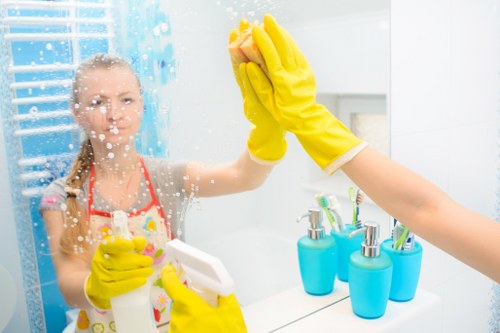
Every area of a property can benefit from deep cleaning, but certain rooms require special attention because they tend to collect more dirt, moisture, or grease. Kitchens and bathrooms are the biggest priorities in most spaces. These rooms experience daily use, frequent spills, and constant contact with water, soap, food residue, and skin oils.
In the kitchen, deep cleaning often focuses on appliance interiors, cabinet fronts, sink drains, backsplash surfaces, and hidden crumbs around corners. In bathrooms, the emphasis may be on descaling fixtures, cleaning grout, disinfecting handles, scrubbing tubs, and removing soap scum. Both rooms require a careful, methodical approach.
Living rooms, bedrooms, and offices should not be ignored either. Dust accumulates on shelves, electronics, bedding, window tracks, vents, and fabrics. Deep cleaning these spaces can make the air feel fresher, reduce allergens, and create a more polished overall appearance.
High-Impact Areas to Prioritize
When planning a deep cleaning session, focus on the areas that have the biggest impact on health and presentation:
- Kitchen surfaces and appliances
- Bathroom fixtures and tile
- Entryways and floors
- High-touch points like handles and switches
- Dust-prone zones such as vents and fans
Benefits of Deep Cleaning for Homes and Businesses
The advantages of deep cleaning go far beyond aesthetics. In homes, it supports a healthier lifestyle by reducing allergens, bacteria, and dust. This can be especially helpful for families with children, pets, or anyone sensitive to indoor air quality. A well-timed deep cleaning can also make daily upkeep much easier because there is less buildup to deal with afterward.
For businesses, the benefits are equally important. A clean workspace supports professionalism, employee comfort, and customer confidence. Offices, retail locations, medical spaces, and hospitality properties all benefit from the improved presentation and sanitation that come from regular deep cleaning. It can also help reduce the spread of illness in shared environments.
There is also a practical financial side. Routine deep cleaning helps protect furniture, flooring, fixtures, and appliances from premature wear. By removing corrosive residue, dust, and grime before they cause damage, property owners can extend the life of materials and reduce the need for costly replacements.
Key Benefits at a Glance
- Improved hygiene and sanitation
- Better indoor air quality
- Enhanced appearance and comfort
- Longer life for surfaces and appliances
- Reduced allergen and dust buildup
- Greater satisfaction in living and working spaces
How Often Should Deep Cleaning Be Done?
The right deep cleaning schedule depends on the type of space, the amount of activity, and the level of use. For most homes, a full deep cleaning is often done every season or every few months. High-traffic families, pet owners, or households with allergies may need it more frequently. In busy kitchens or shared environments, some deep cleaning tasks may need to happen monthly.
Businesses often require a more structured plan. A retail store, office, or commercial facility may benefit from scheduled deep cleaning during off-hours, after busy seasons, or on a recurring monthly or quarterly basis. The goal is to prevent buildup before it becomes a problem and to maintain a consistent standard of cleanliness.
If you are unsure how often to schedule deep cleaning, start by evaluating the condition of your space. If dust returns quickly, grime is visible in corners, or surfaces feel sticky or dull, it may be time to increase the frequency. Seasonal changes, renovations, tenant turnover, and special events are also strong triggers for a deep clean.
Common Scheduling Triggers
Consider deep cleaning when you notice:
- Visible buildup in bathrooms or kitchens
- Persistent dust on vents or furniture
- Allergy symptoms increasing indoors
- Odors that do not go away with routine cleaning
- After parties, events, or high occupancy periods
- Before moving in or after moving out
Room-by-Room Deep Cleaning Focus
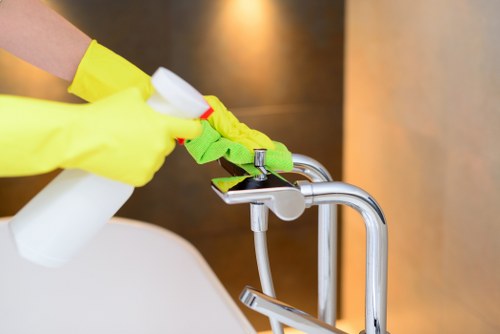
A successful deep cleaning plan usually works best when broken down room by room. That way, no detail gets overlooked and the process becomes easier to manage. Start with the area that needs the most attention, then move through the rest of the property in a logical order.
Kitchen Deep Cleaning
The kitchen often needs the most intensive care because it combines food, moisture, and grease. Deep cleaning tasks may include washing cabinet exteriors and interiors, cleaning appliance doors, scrubbing the oven, wiping pantry shelves, degreasing the backsplash, and sanitizing sinks and faucets. Don’t forget handles, switches, vents, and under-counter spaces.
Bathroom Deep Cleaning
Bathrooms require careful sanitation. A thorough deep cleaning should address soap scum, limescale, mildew, grout, toilet bases, mirrors, shower doors, and storage areas. Cleaning behind the toilet and around the base of sinks is especially important because grime builds up in hard-to-see spots.
Bedroom and Living Area Deep Cleaning
Bedrooms and living rooms benefit from dust removal, vacuuming under furniture, cleaning baseboards, washing curtains or blinds, and refreshing upholstery. Mattresses, cushions, and decorative fabrics can also collect dust and allergens, so they should be included in the process when possible.
Office and Workspace Deep Cleaning
Workspaces often contain equipment, documents, and shared surfaces. Deep cleaning here should include keyboards, desks, chairs, break rooms, door handles, and conference areas. Clean environments can support concentration and help create a more professional atmosphere.
What a Professional Deep Cleaning Service Typically Includes
A professional deep cleaning service usually follows a more detailed checklist than standard housekeeping. The exact scope can vary, but a well-done service should cover both visible and hidden areas with care. Many property owners prefer this option because it saves time, delivers more consistent results, and handles the labor-intensive parts of the job.
Typical service elements may include dusting high and low surfaces, sanitizing bathrooms, cleaning kitchen appliances, wiping cabinet faces, vacuuming upholstery, mopping floors, and removing buildup from corners and edges. Some providers also offer add-ons such as interior window cleaning, carpet treatment, or post-renovation cleanup.
If you plan to book your service now, it helps to understand the difference between a standard clean and a deep clean so you can request the right level of attention. The more specific you are about your expectations, the better the result is likely to be.
Questions to Ask Before Booking
- Which rooms and tasks are included?
- Are inside appliances and cabinets covered?
- Do you offer move-in, move-out, or seasonal deep cleaning?
- Are special surfaces treated with appropriate products?
- How long will the service take?
- What preparation is needed before the appointment?
Tips for a More Effective Deep Cleaning Routine
Whether you are cleaning on your own or scheduling professional support, a few smart strategies can make the process smoother and more effective. Start by decluttering. It is much easier to deep clean surfaces, shelves, and floors when unnecessary items are removed first. This step also helps you see hidden dust and grime more clearly.
Next, work from top to bottom. Dusting high surfaces before cleaning the floors prevents debris from falling onto freshly cleaned areas. This simple method saves time and reduces repeat work. Using the right tools also matters. Microfiber cloths, scrub brushes, extension dusters, quality vacuum attachments, and appropriate cleaning solutions all improve results.
Finally, break the work into manageable sections. A full deep cleaning can feel overwhelming if you try to do everything at once. Dividing the job into rooms or task categories makes the process more realistic and less stressful. This approach also helps you maintain consistency over time.
Smart Deep Cleaning Tips
- Use a checklist to stay organized
- Ventilate rooms while cleaning
- Test products on delicate surfaces first
- Allow dwell time for disinfectants and degreasers
- Replace dirty cloths and mop heads as needed
- Finish with floors last for the best results
How Deep Cleaning Supports Health and Comfort
One of the strongest reasons people invest in deep cleaning is the health benefit. Dust, allergens, mold residue, and bacteria can build up quietly in a space, especially in hidden areas. Over time, this can affect breathing comfort, trigger allergies, and reduce the overall sense of cleanliness. A thoughtful deep cleaning routine helps keep those issues under control.
Comfort is another important factor. A space that has been deeply cleaned feels easier to live and work in. Smells are fresher, surfaces feel smoother, and rooms appear brighter. Even small improvements, such as clean vents, polished fixtures, and dust-free surfaces, can make a meaningful difference in how a property feels.
This is why deep cleaning is often associated with a reset or refresh. It provides a stronger foundation for daily upkeep and helps people feel more in control of their surroundings. In both homes and workplaces, that sense of comfort contributes to a better quality of life.
When to Consider Hiring a Professional
Some people prefer to handle deep cleaning themselves, especially for smaller spaces. However, there are many situations where hiring a professional makes more sense. If the property is large, heavily used, or badly overdue for cleaning, professional support can save time and deliver more complete results. The same is true after renovations, before moving, or when preparing a property for guests, tenants, or customers.
Professional cleaners also bring experience, efficiency, and specialized products or tools. They know how to approach stubborn buildup, delicate materials, and time-consuming tasks in a way that is both effective and safe. If your schedule is already full, a deep cleaning service can help you maintain a clean environment without sacrificing your time or energy.
For many property owners, the decision comes down to convenience and results. If the job feels too large to manage alone, or if you want a consistently polished finish, a professional deep clean can be a worthwhile investment. Contact us today if you are ready to restore your space and enjoy the difference a detailed clean can make.
Keeping Your Space Cleaner After Deep Cleaning
Once a deep cleaning is complete, the next step is preserving the results. The best way to do that is through consistent maintenance. Simple habits like wiping counters daily, doing quick bathroom touch-ups, vacuuming regularly, and staying on top of clutter can help prevent buildup from returning too quickly.
It is also helpful to create a light maintenance schedule for high-use areas. For example, kitchens may benefit from weekly degreasing and bathroom fixtures may need periodic disinfecting. These smaller tasks support the longer-term benefits of deep cleaning and reduce how often major reset cleanings are needed.
Think of deep cleaning as the foundation and routine cleaning as the upkeep. When both work together, your space stays healthier, more attractive, and easier to manage. That balance is what creates long-lasting results.
Simple Maintenance Habits
- Wipe spills as soon as they happen
- Dust high-traffic surfaces weekly
- Vacuum carpets and rugs regularly
- Keep bathroom moisture under control
- Reduce clutter in drawers, shelves, and counters
- Schedule periodic deep cleaning before buildup returns
Final Thoughts on Deep Cleaning
Deep cleaning is an essential part of keeping any property fresh, healthy, and well maintained. It reaches the areas that regular cleaning cannot fully address and delivers benefits that go beyond appearance. From improved hygiene and better air quality to stronger comfort and longer-lasting surfaces, the value of deep cleaning is easy to see.
Whether you are preparing for a season change, tackling post-renovation dust, refreshing a busy office, or simply wanting a cleaner home, a deep clean can make a major difference. When done regularly, it supports both immediate cleanliness and long-term property care. If you are ready to enjoy a noticeably cleaner environment, book your service now and take the first step toward a fresher space.
Deep cleaning is not just a task—it is a smart investment in comfort, hygiene, and peace of mind.